

 Copiapó Valley
  Cerro Negro Norte Mine
  Magnetite Plant
  Puerto Punta Totoralillo
  Huasco Valley
  Los Colorados Mine
  Pellets Plant
  Puerto Guacolda II
  Elqui Valley
  El Romeral Mines
  Pleito Mine
  Puerto Guayacán
 CMP holds its first sustainability meeting with suppliers to advance its carbon neutrality strategy
 Friday December 26th, 2025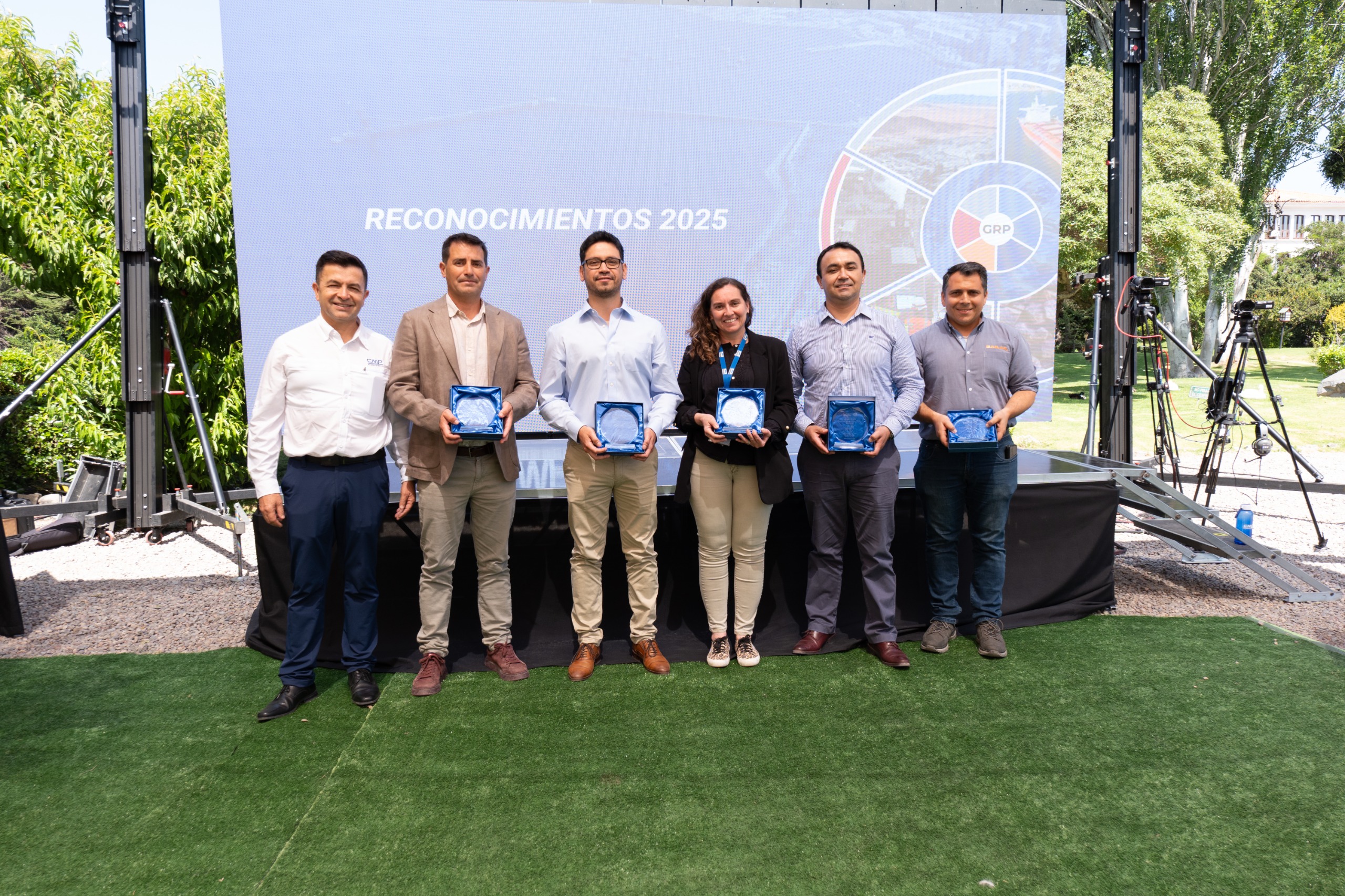
Held at the Japanese Garden in La Serena, the event brought together more than 60 suppliers as key stakeholders in measuring, managing, and reducing the company’s carbon footprint.
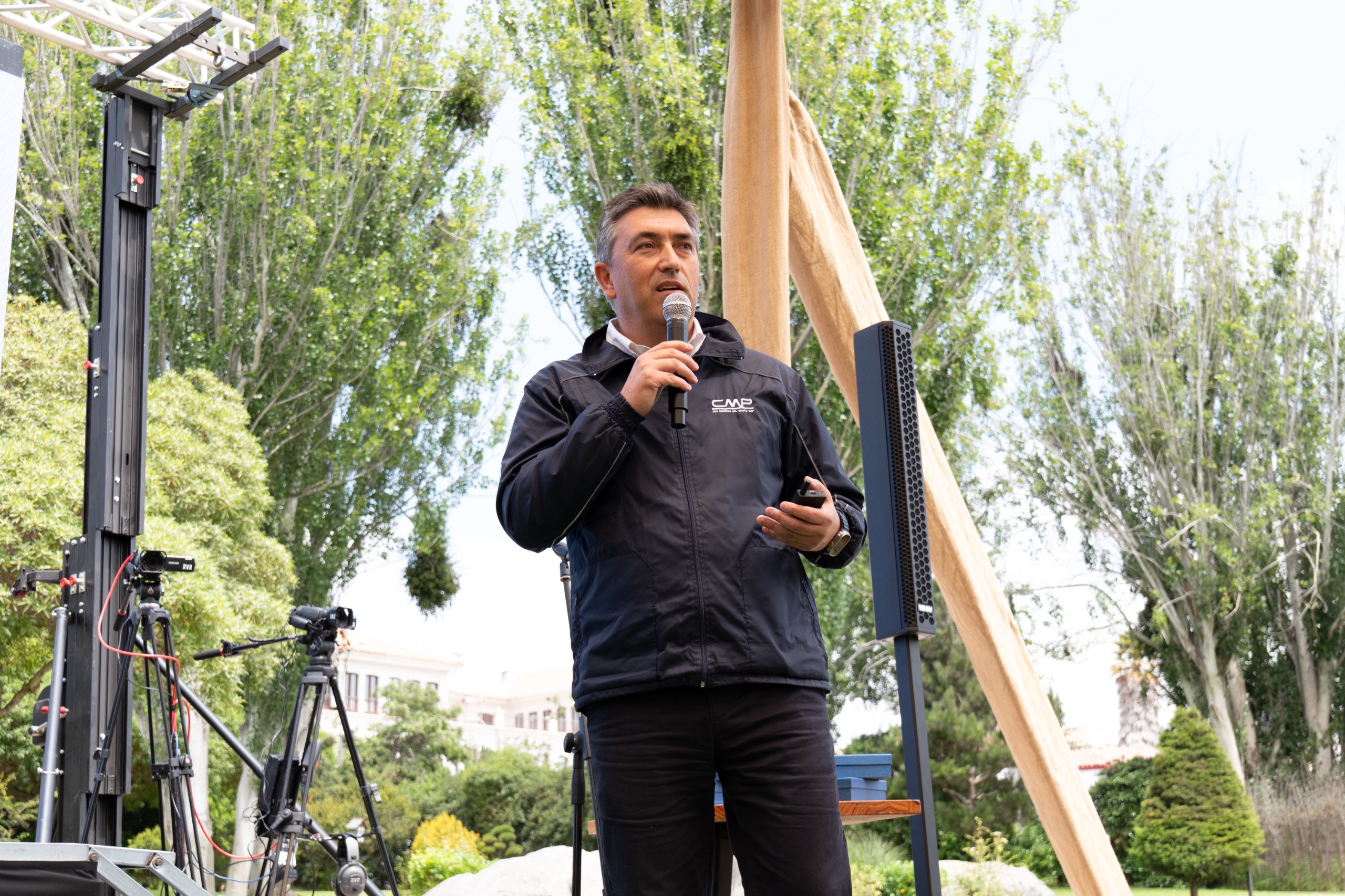
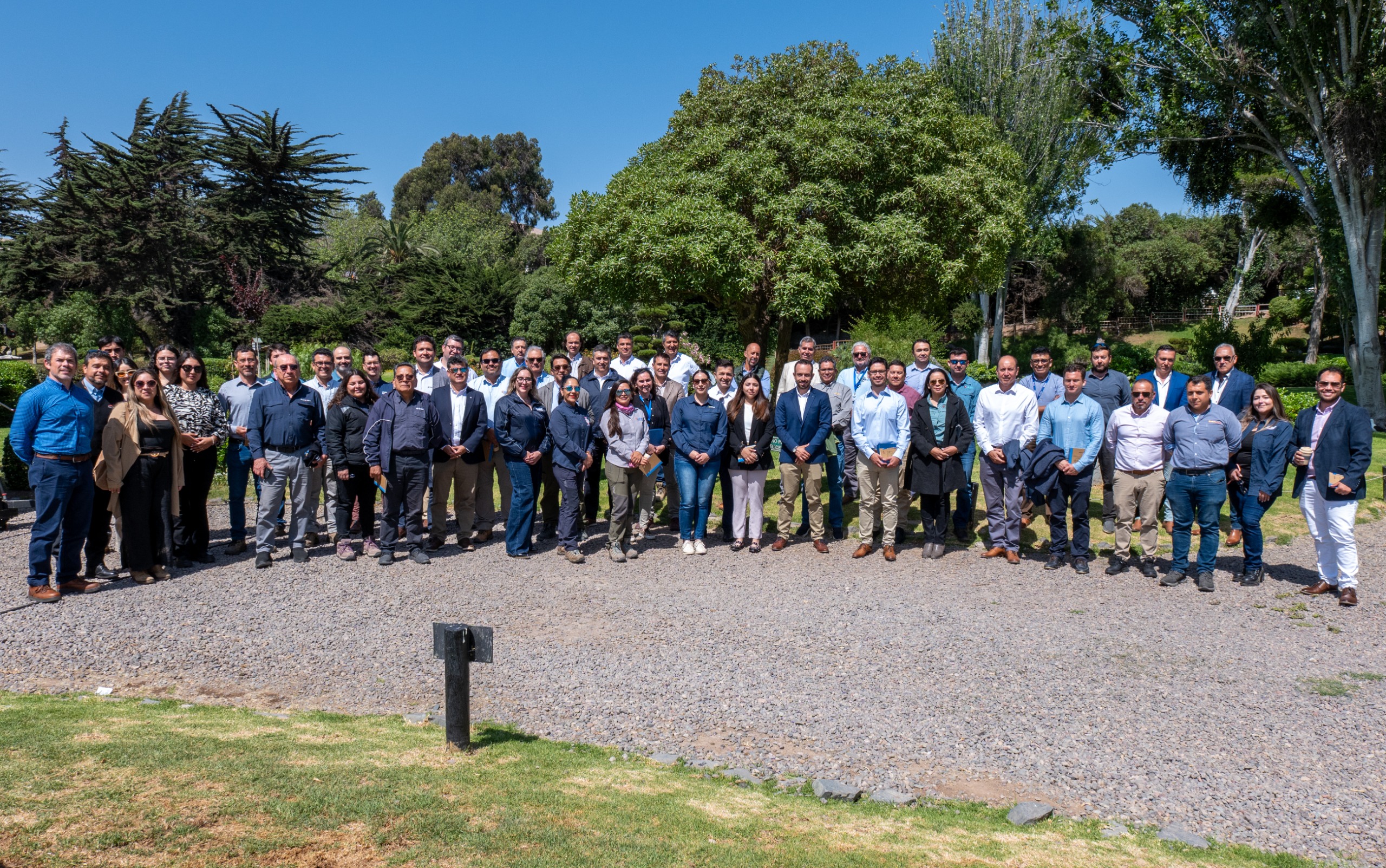
As part of its commitment to sustainable mining and climate action, Compañía Minera del Pacífico (CMP) held its first “Supplier Meeting: Sustainability and Carbon Footprint” at the Japanese Garden in La Serena. The event aimed to strengthen collaborative work with its value chain, advancing jointly toward the company’s carbon neutrality strategy.
The meeting brought together CMP representatives and more than 60 suppliers for a day of dialogue and shared learning, during which the company’s performance and strategic vision guiding its ESG and sustainability management were presented. In this context, CMP highlighted the strategic role suppliers play in the operation’s carbon footprint and the importance of coordinated efforts in measuring, managing, and reducing emissions.
The agenda included a technical presentation delivered via streaming by Arturo Espinosa, coordinator of the Huella Chile Program at the Ministry of the Environment, along with the participation of CMP’s carbon footprint advisory team, Proyectae, who conducted a diagnostic survey among attendees. This tool will help assess the current status of emissions management among supplier companies and project future actions focused on emissions reduction and compensation.
Within this framework, Carlos Sepúlveda, CMP’s Administration and Finance Manager, presented the “Strategic Vision 2026”, highlighting how sustainability and carbon footprint management are integrated into the company’s business model, Process Risk Management (PRM), to strengthen a resilient value chain, together with industry associations such as CIDERE and CORMINCO.
“Sustainability is a strategic pillar for CMP, as it supports the development of our projects, operational continuity, and the way we engage with the territory alongside our suppliers. We have made significant progress in reducing CO₂ emissions, incorporating local labor, increasing women’s participation, and developing local suppliers, but we still face important challenges,”
Sepúlveda stated.
During the event, CMP formally recognized the companies Bailac, Amfall, Transportes SAE, Copec, and Resiter, highlighting their concrete progress in initiatives aimed at emissions reduction, as examples of the path the company seeks to promote together with its supply chain. In addition, specialist José Luis Huepe delivered the talk “What Is Not Measured Is Not Managed”, emphasizing the importance of quantification as the basis for informed and responsible decision-making.
From the suppliers’ perspective, Constanza Arancibia Muñoz, Corporate Sustainability Officer at Imopac, valued the initiative and the collaborative approach, noting:
“We are working with our sustainability committee, and having the support of our client company gives us peace of mind and confidence. Our processes generate a significant impact on the carbon footprint, but moving forward together allows our ideas to be effectively implemented in the production process. It is very positive to see that we are not alone on this journey.”
For her part, Maytte Inojosa, Head of Strategic Planning and Sustainability at CMP, emphasized the importance of the meeting as a starting point for deeper engagement with suppliers:
“This event marks a milestone in our relationship with suppliers on sustainability matters. While the focus was on the carbon footprint, our goal is for these instances to address ESG challenges in a comprehensive manner, also incorporating social dimensions. Today, we begin this journey together with our suppliers so they can measure their footprint and, in the future, move decisively toward its reduction, strengthening a more sustainable value chain.”
Through this initiative, CMP reaffirmed its conviction that sustainability is a central pillar of its management and marked a starting point for more stakeholders to join the commitment to a different kind of mining—one that grows responsibly, reduces its environmental impact, and advances toward long-term climate goals through collaboration, emissions traceability, and the integration of its entire value chain.